2017 Bluestone Hacks

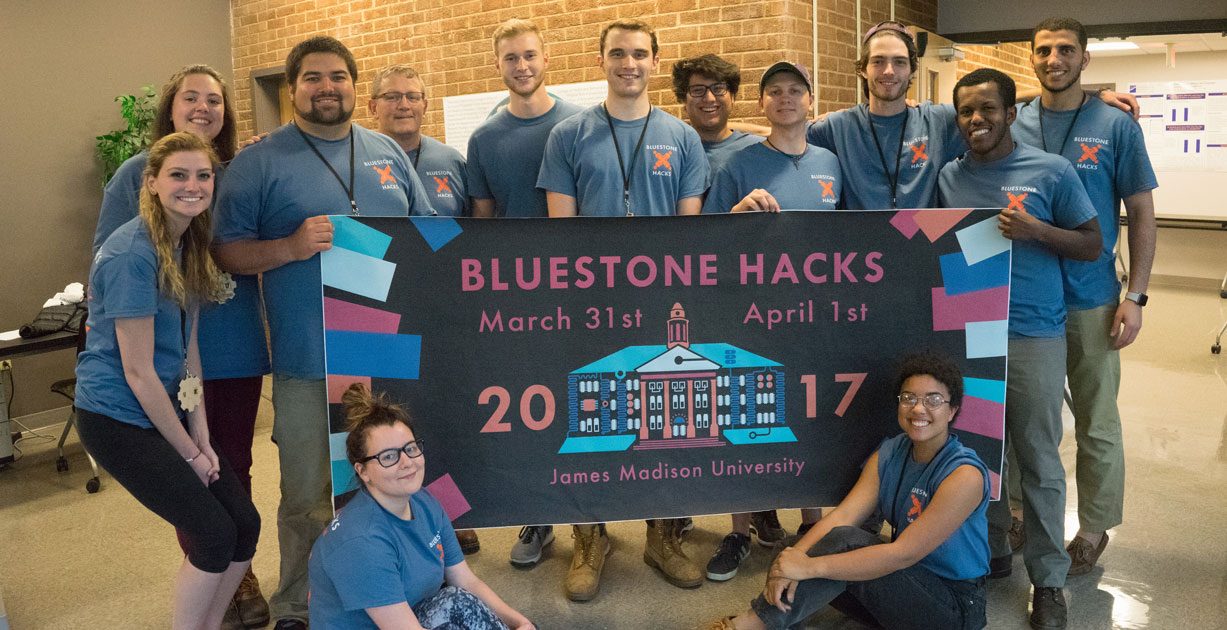
2017 Bluestone Hacks

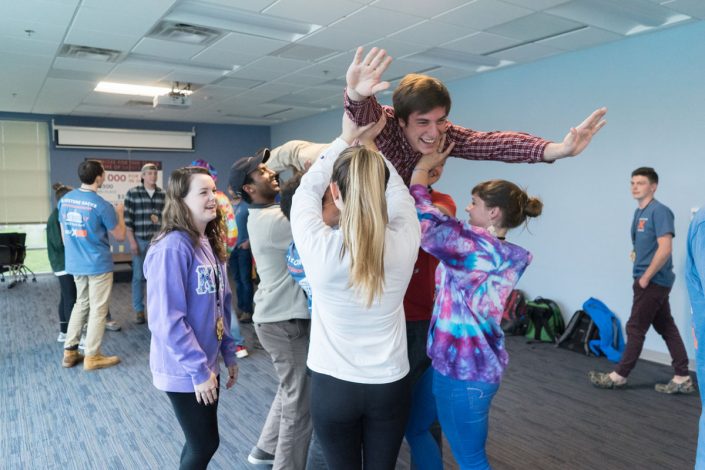
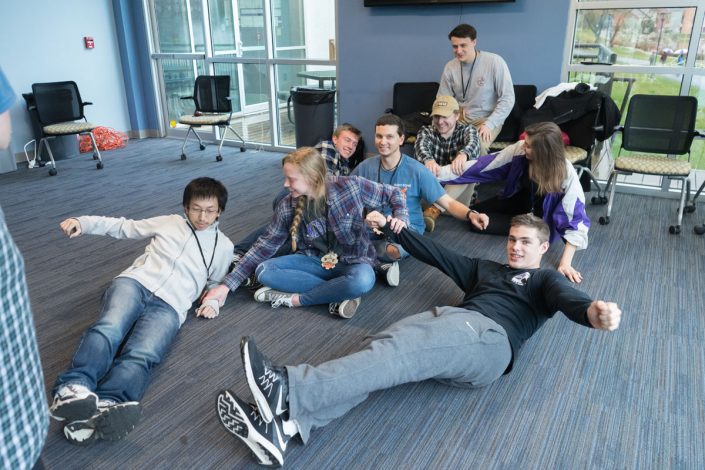
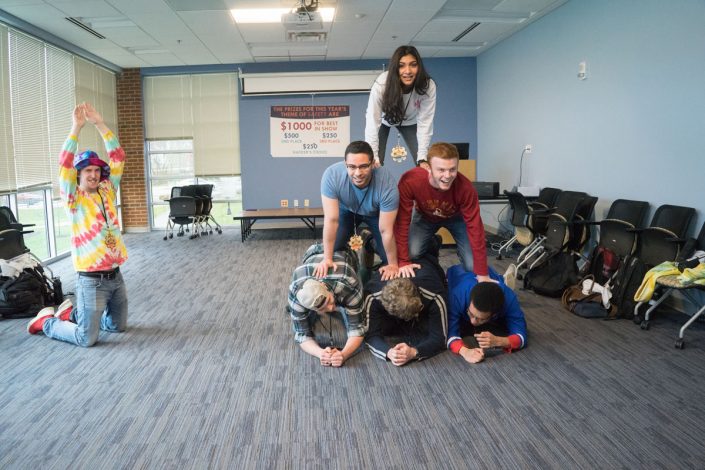
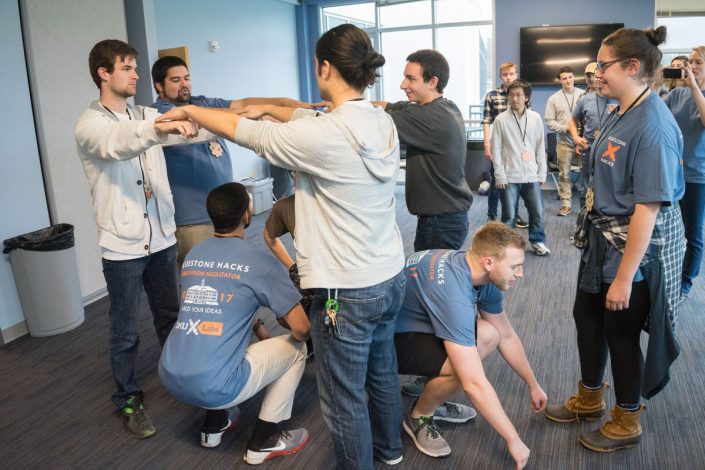
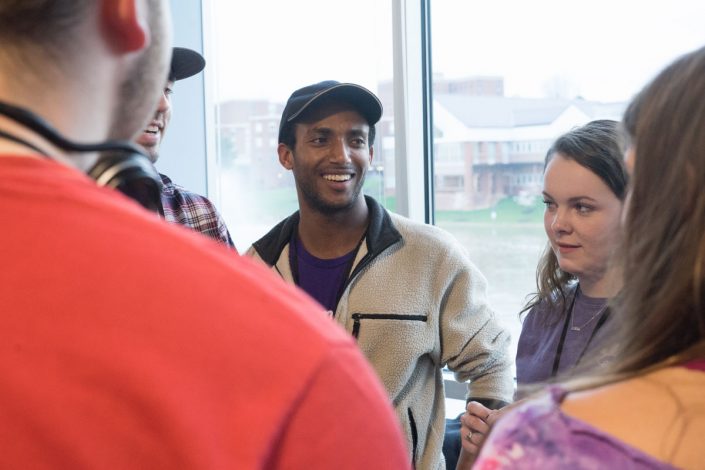
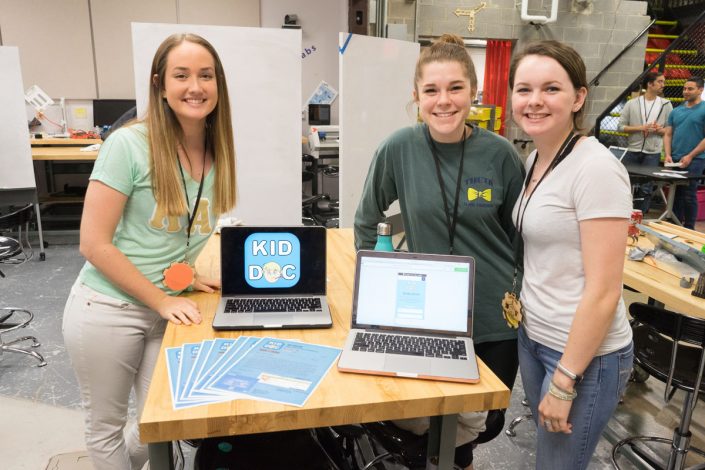
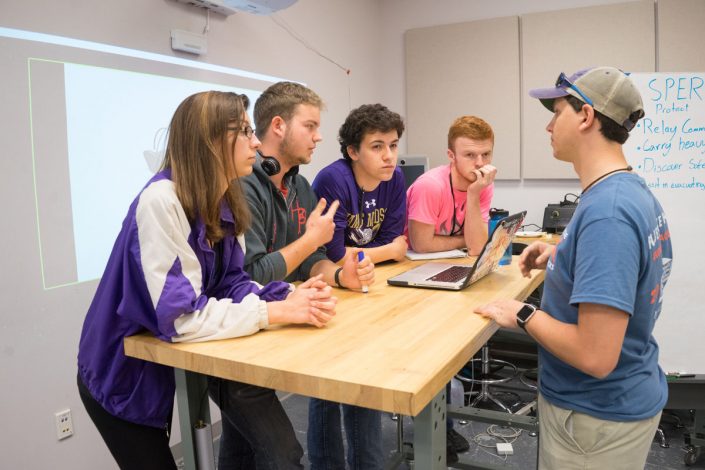
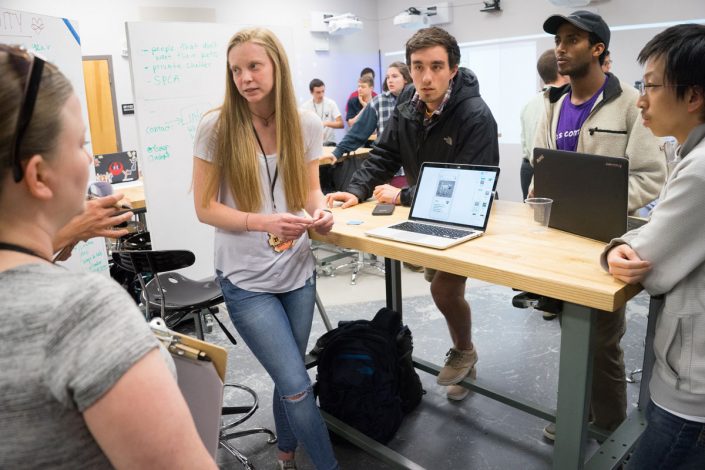
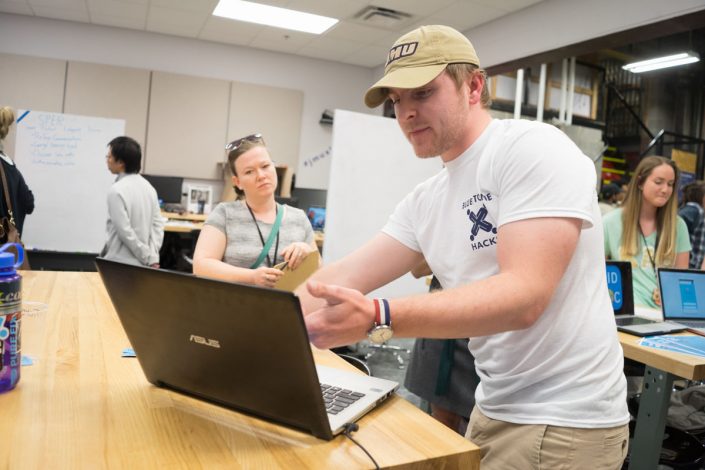
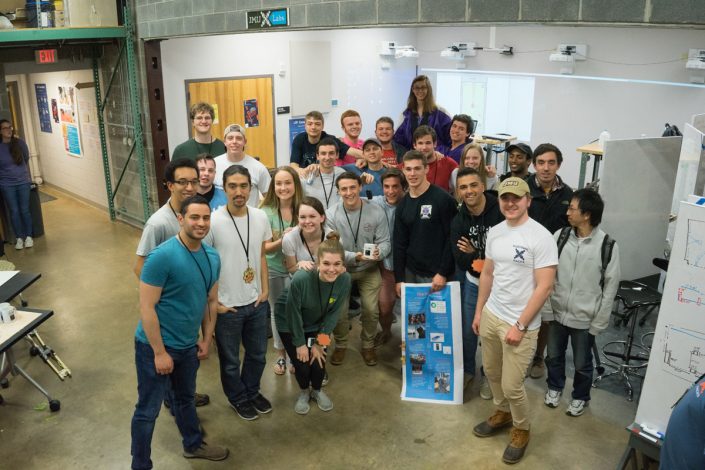
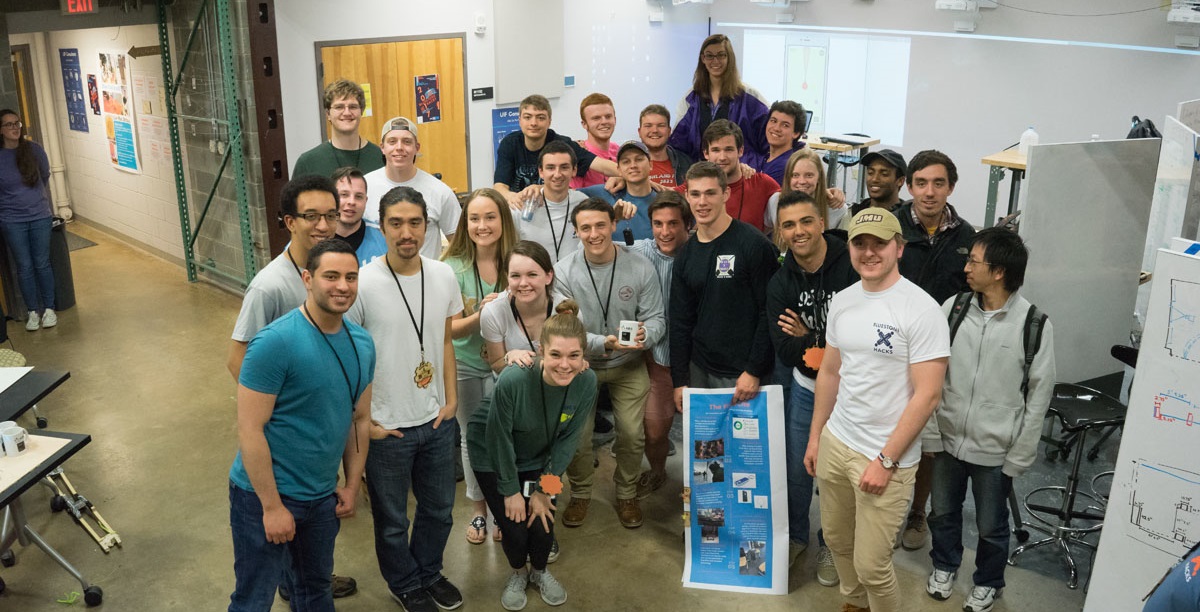
On March 31, 2017 about 40 JMU students decided to spend their Friday night solving problems instead of celebrating the weekend. They didn’t even know the type of problem they’d be tackling until after President Alger gave the welcoming remarks. Once “safety” was announced as the theme, the students got their creative juices flowing with ice breakers before forming their teams of up to four people.
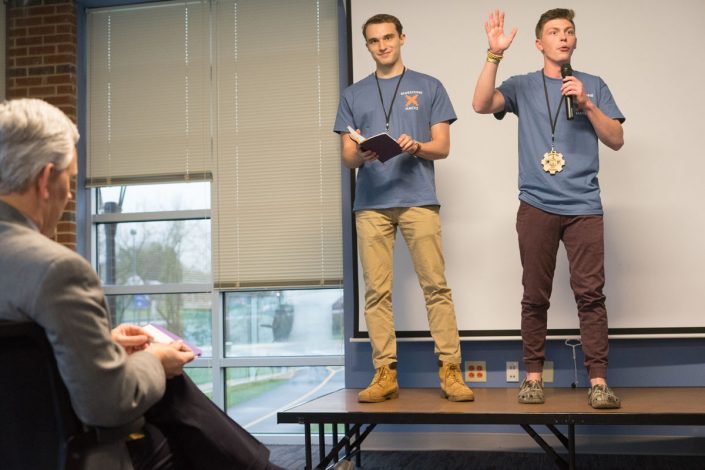
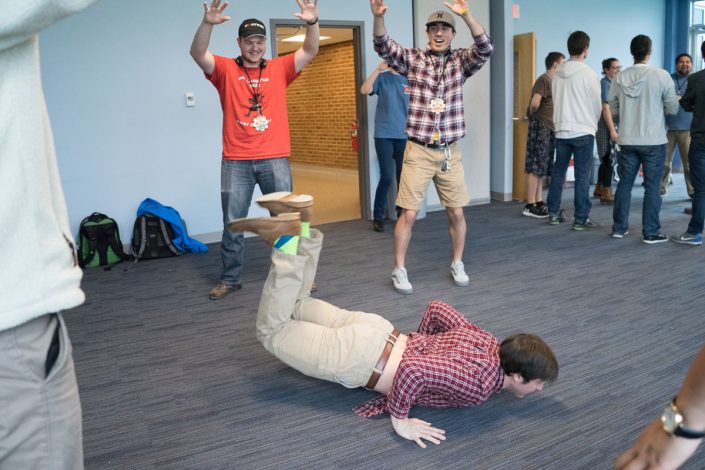
The annual hackathon is led by JMU students who are part of the University Innovation Fellows (UIF)—a nationwide program started by Stanford University. UIF students cultivate innovation on their own campuses and host skill-building events. Now in its third year, the 24-hour Bluestone Hacks offers various workshops, challenges and consulting throughout the event to support student learning and innovation.

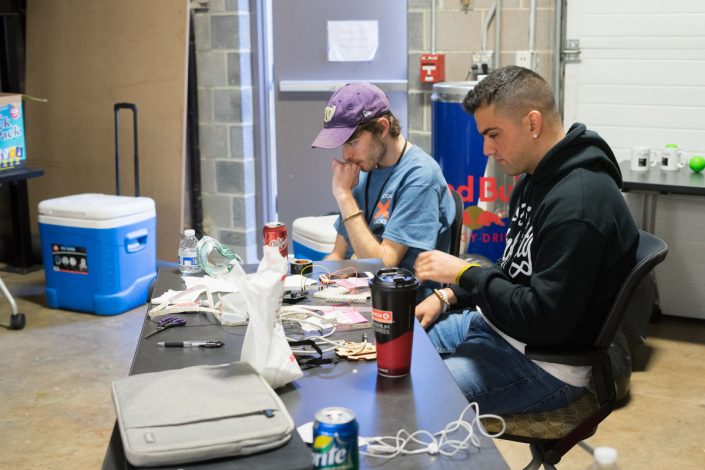
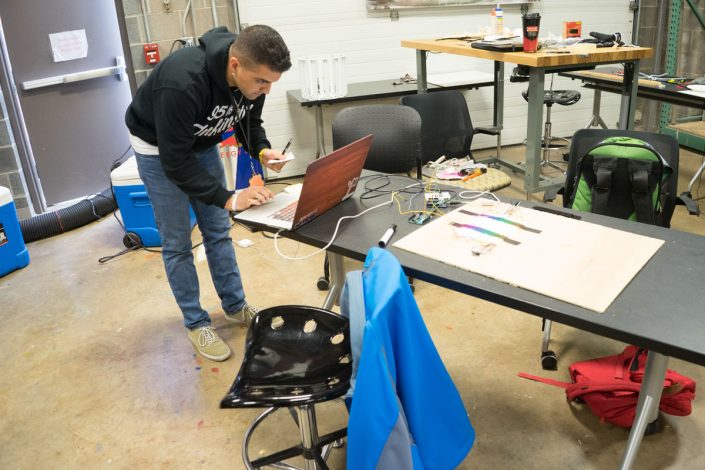
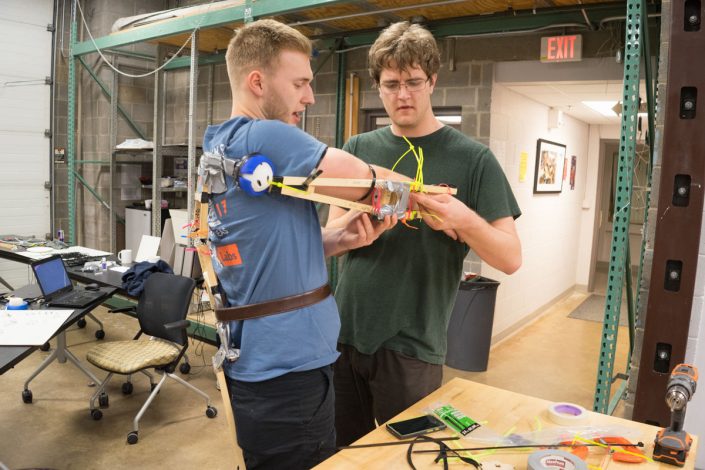
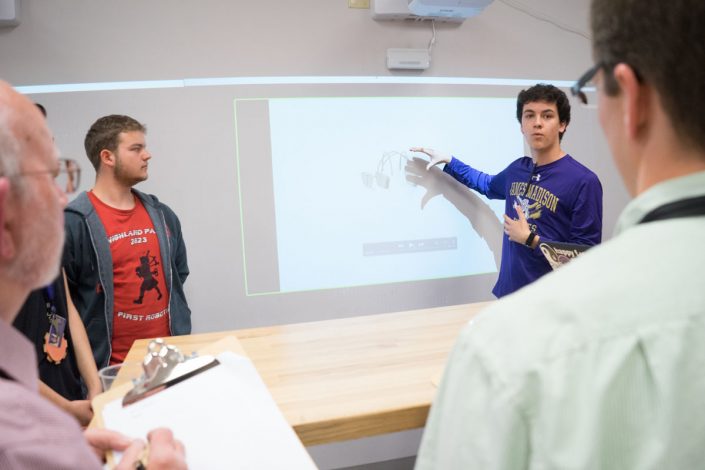
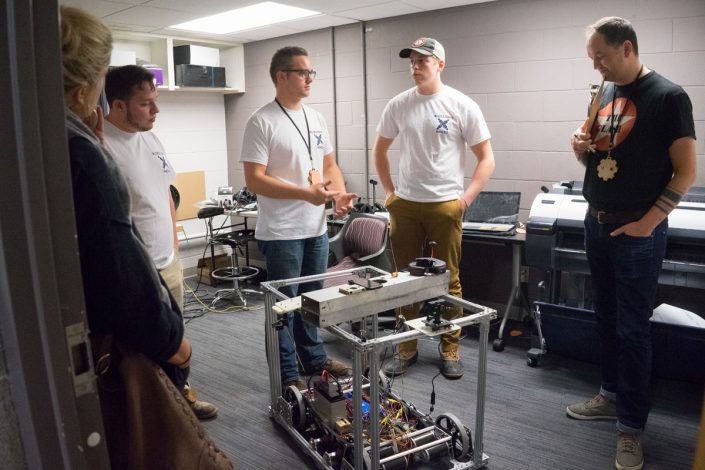
4-VA hosts the event every year at the JMU X-Labs where teams have access to a variety of equipment including a virtual reality lab, 3D printers, a CNC milling machine and tools to work on Arduino boards.

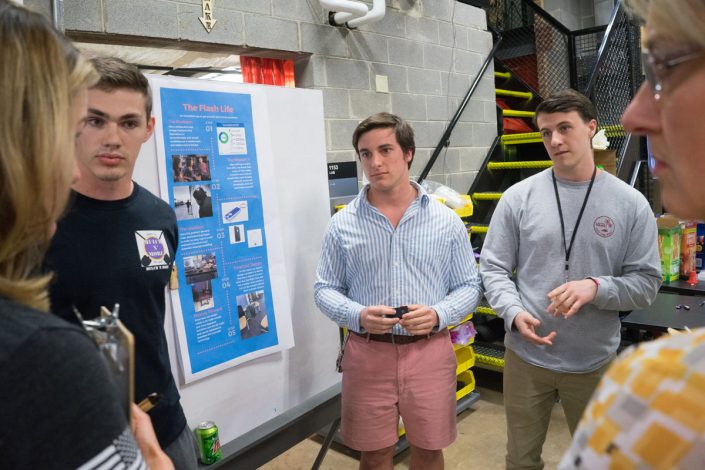
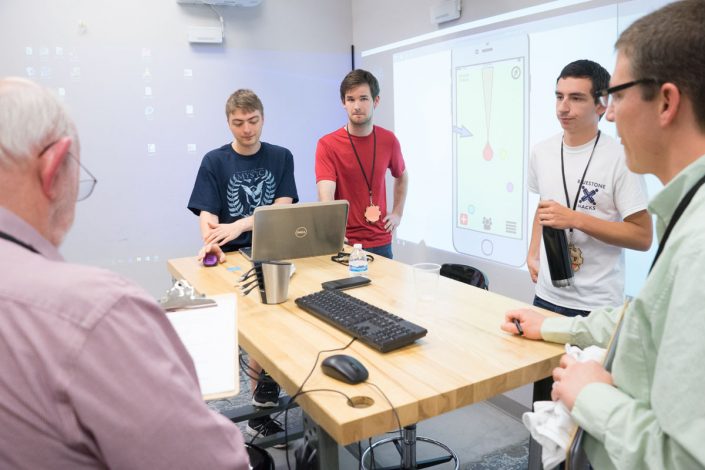
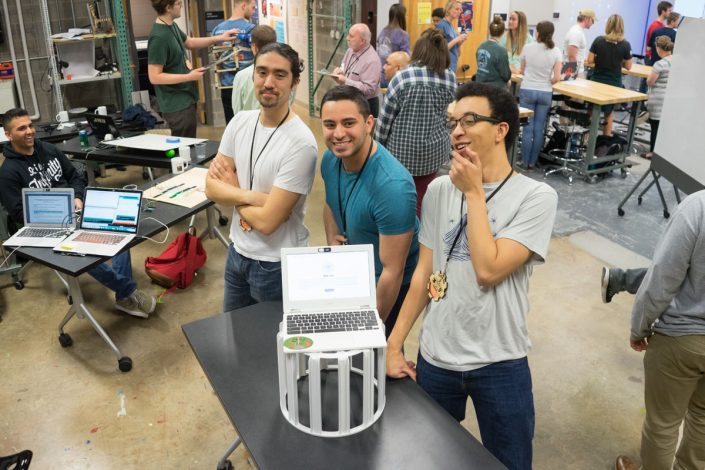
After 24 hours of innovation and with little to no sleep, teams presented their functioning prototypes and solutions to a panel of professionals. You can see the enthusiasm of the teams as they demonstrate their ideas on the JMU X-Labs Facebook page.

The judges deliberated on 10 solutions and narrowed it down to their top three choices and the hackers voted for their favorite solution.

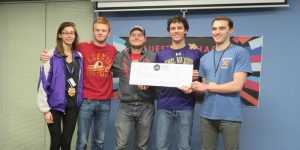
1st place – $1000

Max Painley, Joe Kellum and Adam Warren

Hunting Party

First place was awarded to this team for creating an app for hunters to see each other, promoting safety and collaboration in recreational hunting environments. 

2nd place – $500

Caleb Hoehner, AJ Williams and Nick Colonna

Flash Life

This team created a small device that can send a dummy call to your phone at the push of a button from a preset name when you feel uncomfortable or unsafe.

3rd place – $250

John Nevin

Memento

John developed an application that allows loved ones in the early stages of memory loss to remain independent for a longer period of time by remotely connecting them to the assistance of their caregiver .